What Is Scottish Heather Honey? A Guide from Our Own Hives
Our beekeeping started in 2018 as a family hobby: six hives, and honey just for ourselves. One taste of raw Scottish honey and there was no going back to shop-bought, so we kept adding hives. Today we look after over 500 across Scotland, and the honey we’re proudest of is our heather honey.
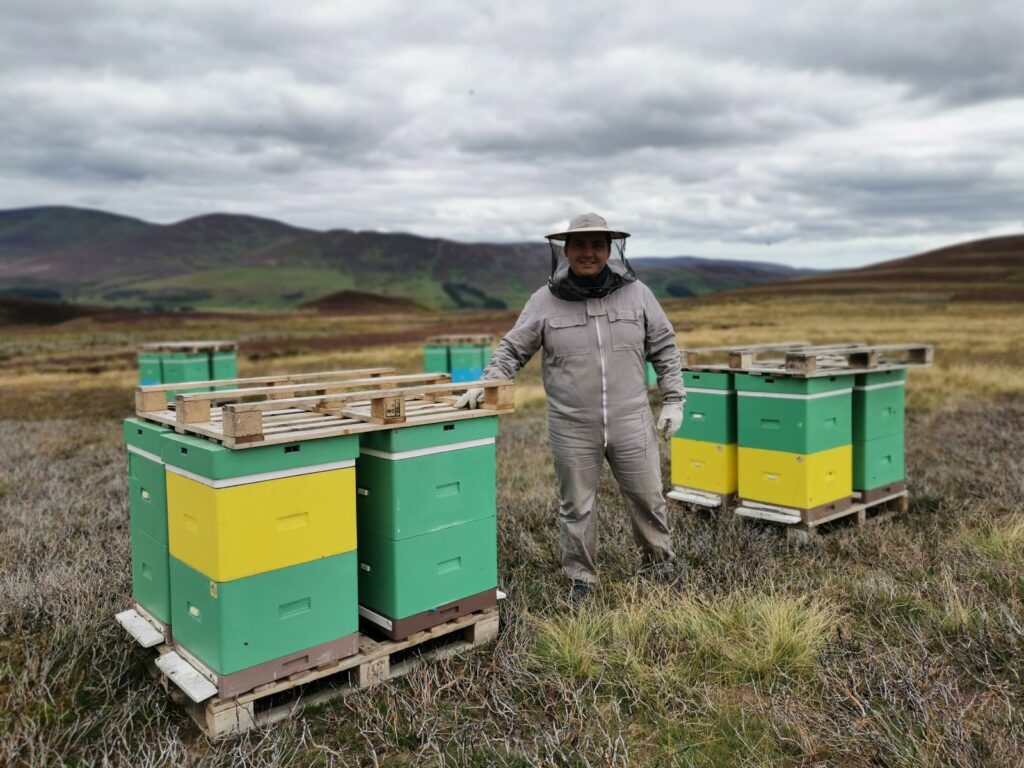
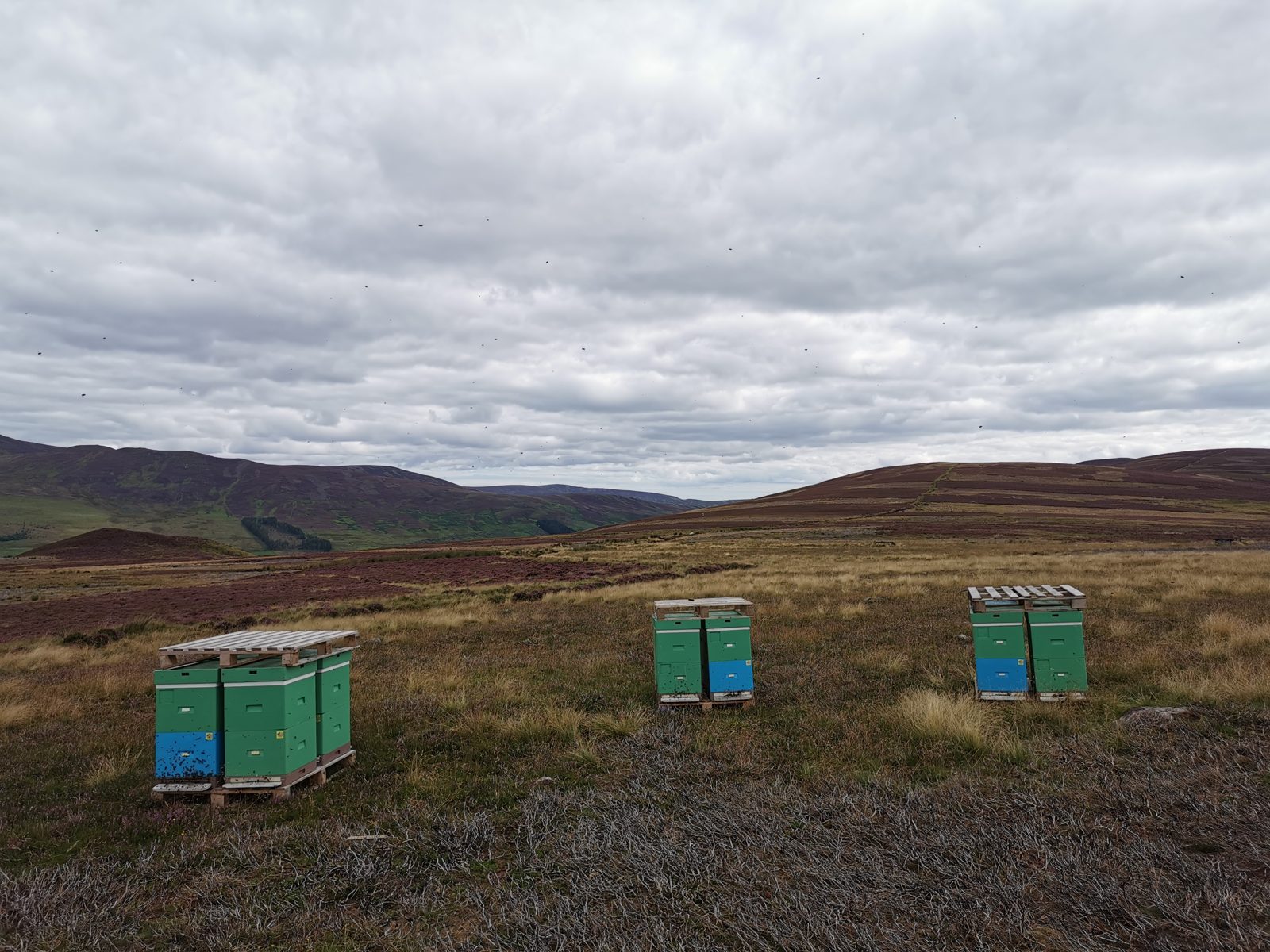
Every summer, when the heather moors of Glen Clova and Glen Isla in the Angus Glens, and around Dunkeld in Perthshire, turn purple, our bees get to work on it. Heather honey looks, tastes and even behaves differently from any other honey. Here’s what makes it special, and how it gets from the moor to your table.
What is heather honey?
Heather honey is made by bees that forage mainly on heather flowers. In Scotland that’s mostly ling heather (Calluna vulgaris), the purple heather that carpets our moors and hills, along with some bell heather.
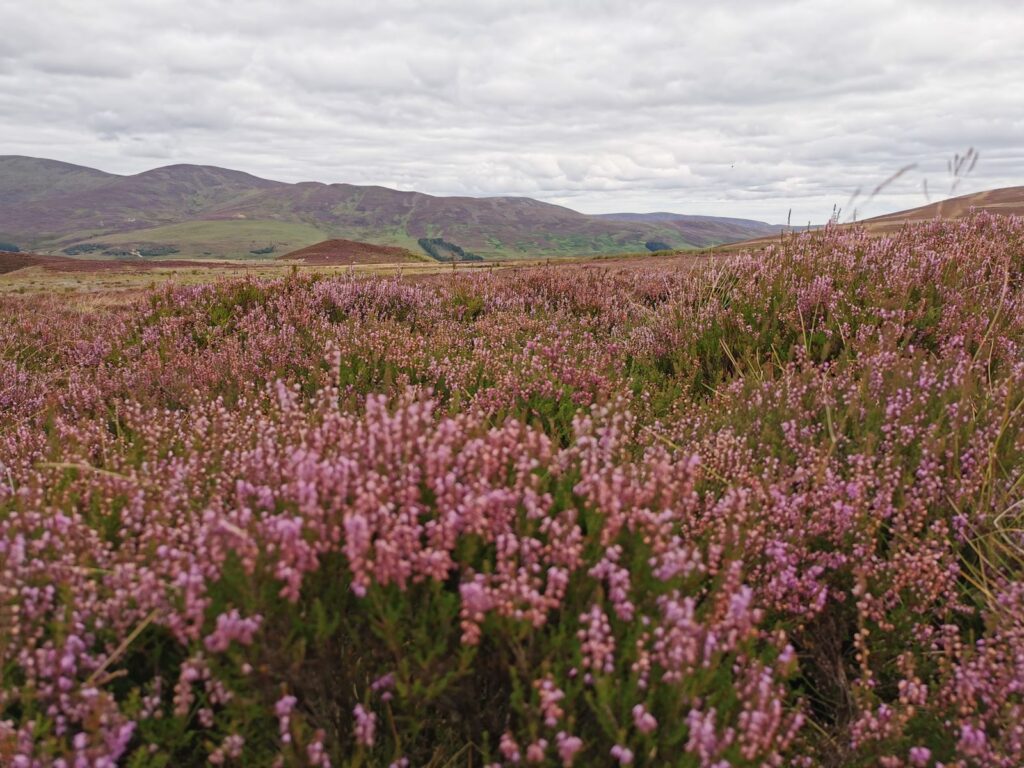
Heather flowers late in the summer, after most other plants have finished, so heather honey is the last honey crop of the year. Ling and bell heather bloom at slightly different times, which gives our bees a heather season of about eight weeks.
What does heather honey taste like?
Heather honey is a deep, dark amber, with a strong and complex flavour: smoky, tangy and slightly malty, balanced by a floral sweetness. It has an earthy, botanical aroma, and a gentle bitter edge that keeps it from being too sweet. People who usually find honey sickly often love it.
If you prefer something lighter, our raw Scottish blossom honey is mild, floral and runny. More on the difference below.
Why is heather honey so thick?
This is the thing everyone notices first. Heather honey is thixotropic, which means it sets like a soft jelly in the jar, goes syrupy when you stir it, then slowly sets again when left to rest. It’s completely natural, and a good sign that you’ve got genuine heather honey.
That jelly-like texture is also why heather honey takes so much more work to produce than other honeys.
How we harvest our heather honey
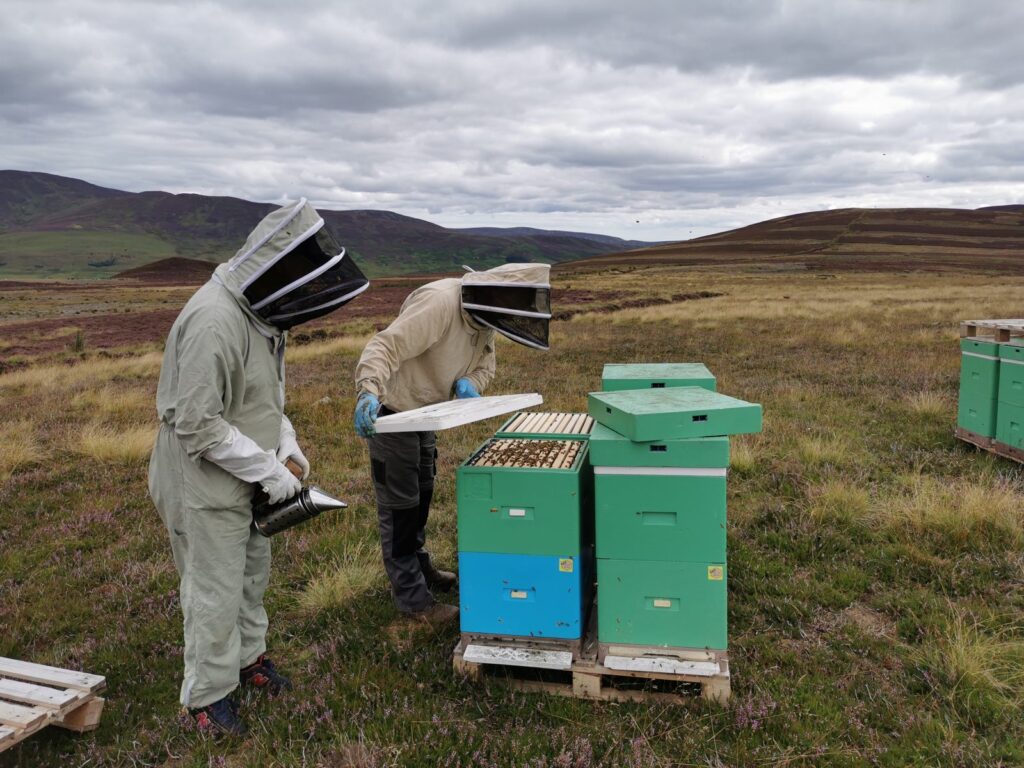
Our hives spend the summer up on the heather, and we harvest the honey in late August.
Most honey is spun out of the comb in a machine called an extractor. Heather honey is too thick for that, so we use a special heather honey press to gently squeeze it from the frames. It’s slower work, and we do it in small batches, using traditional, chemical-free methods from hive to jar.
We always leave the bees plenty of their own honey for the winter. Once the harvest is in, we get the hives ready for the cold months so the colonies are strong when the bees get going again in February.
Like all farming, beekeeping depends on the weather, and Scottish summers can be unpredictable. Some years are better than others for heather honey, which is part of what makes a good year’s jar so special.
What does “raw” mean?
Our heather honey is raw and chemical-free. We never heat, filter or pasteurise it, so it stays just as the bees made it, natural pollen and all. Many shop-bought honeys are heated and finely filtered so they stay runny and clear on the shelf. Raw honey keeps its full flavour and texture, nothing added and nothing taken away.
Is heather honey good for you?
It’s one of the questions we’re asked most. Heather honey is a natural, raw food, and like all honey it’s mostly natural sugars, so it’s best enjoyed as a treat as part of a balanced diet. We’d rather let the flavour speak for itself than make promises about health. What we can tell you is exactly where it comes from: our own hives on the Scottish heather, with nothing added and nothing taken away.
Heather honey vs blossom honey vs manuka
- Heather honey: dark amber, smoky and complex, sets like a jelly. Harvested in late summer from the heather moors.
- Blossom honey: pale gold, mild and floral, smooth and runny. Our blossom honey is harvested in spring from the hives around our farm, and it’s the first honey crop of the year.
- Manuka honey: comes from the manuka bush in New Zealand and Australia, with a strong, earthy taste. Heather honey is sometimes called “Scotland’s answer to manuka”, but they’re quite different honeys, each with its own flavour.
Should I choose heather or blossom honey? If you like a richer, smokier flavour, go for heather. If you prefer something light, mild and sweet, choose blossom. Or try both: our honey gift sets let you taste them side by side.
How to enjoy heather honey
- With strong cheese: a drizzle over Stilton or a mature cheddar is hard to beat.
- On toast, oatcakes or porridge: the classic Scottish breakfast.
- As a glaze: brush it over roast ham, pork or chicken towards the end of cooking.
- In desserts: swirl it through ice cream or Greek yoghurt. Try it with our freeze dried raspberries for a quick pudding.
- In a hot drink: stir a spoonful into herbal tea.
Why has my honey gone solid?
All raw honey crystallises over time. Honey is naturally packed with sugars, and when it’s stored for a while or kept somewhere cool, those sugars start to form crystals, giving it a firmer, grainier texture. It’s completely natural, it doesn’t spoil the taste, and it’s a good sign that your honey hasn’t been heavily processed.
Set honey is lovely as it is, spread on toast or oatcakes or stirred into porridge, and you can cook with it just like runny honey. If you’d rather have it runny again:
- Stand your jar in a bowl.
- Fill the bowl with warm water, no hotter than 35°C.
- Leave it for 15 to 20 minutes, stirring now and then if needed.
- Take the jar out, dry it, and enjoy.
It will set again over time, which is perfectly normal.
How to store honey
Keep your honey sealed, somewhere dry at room temperature. Don’t put it in the fridge, because the cold makes it crystallise faster, and avoid storing it in metal containers. Honey keeps for a very long time thanks to its natural sugars. The best before date on the jar is a guide.
Heather honeycomb
If you’d like to try heather honey just as the bees left it, our raw Scottish heather honeycomb is cut straight from the frame, keeping its natural hexagon shape. It’s the original way to enjoy honey, and wonderful on a cheeseboard.
Can I eat the wax? Yes. Beeswax is naturally chewy, and you can eat it along with the honey, in moderation.
How do I store honeycomb? In an airtight container at room temperature, not the fridge.
A Scottish gift for honey lovers
A jar of heather honey makes a lovely gift for anyone who loves good food. Our From the Hive honey gift set brings together our honeys and honeycomb in one box.
Heather honey FAQs
When is heather honey harvested?
In late summer, once the heather has flowered. We harvest ours in late August.
Is heather honey clear or cloudy?
It’s naturally dark and semi-set, and goes runny when you stir it. Blossom honey is lighter in colour and runny.
Does honey go off?
Honey keeps for a very long time thanks to its natural sugars. The best before date on the jar is a guide, and crystallising over time is normal.
Is heather honey suitable for babies?
No honey should be given to children under 12 months.
Where can I buy Scottish heather honey?
You can order our raw Scottish heather honey online in jars from 75g to 1.3kg, with free next-day delivery on orders over £40, or pick some up at our farm shop when it’s open for the season, where we sell all our honeys.